
"Ethiopian coffee types"
2000 article(s) found

Introduction to the characteristics of coffee flavor description and grinding degree in Shaqiso producing area of Ethiopia
Ethiopia has unique natural conditions suitable for growing all imaginable varieties of coffee. As a highland crop, Ethiopian coffee beans are mainly grown in areas between 1, 100 and 2300 meters above sea level, roughly distributed in southern Ethiopia. Deep soil, well drained soil, weakly acidic soil, laterite and soil are soft and contain

Variety characteristics of fermented Natural Solar Ethiopian Coffee introduction to Fine Coffee Bean in Manor
Ethiopia has unique natural conditions suitable for growing all imaginable varieties of coffee. As a upland crop, Ethiopian coffee beans are mainly grown in areas between 1100 and 2300 meters above sea level, roughly distributed in southern Ethiopia. Deep soil, well drained soil, weakly acidic soil, laterite and soil are soft and contain
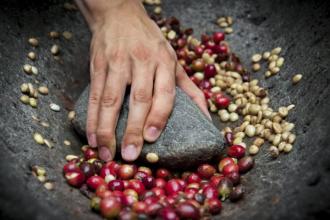
Taste characteristics of Solar fermented Natural Ethiopian Coffee introduction to Fine Coffee Bean in Manor
Ethiopia has unique natural conditions suitable for growing all imaginable varieties of coffee. As a upland crop, Ethiopian coffee beans are mainly grown in areas between 1100 and 2300 meters above sea level, roughly distributed in southern Ethiopia. Deep soil, well drained soil, weakly acidic soil, laterite and soil are soft and contain
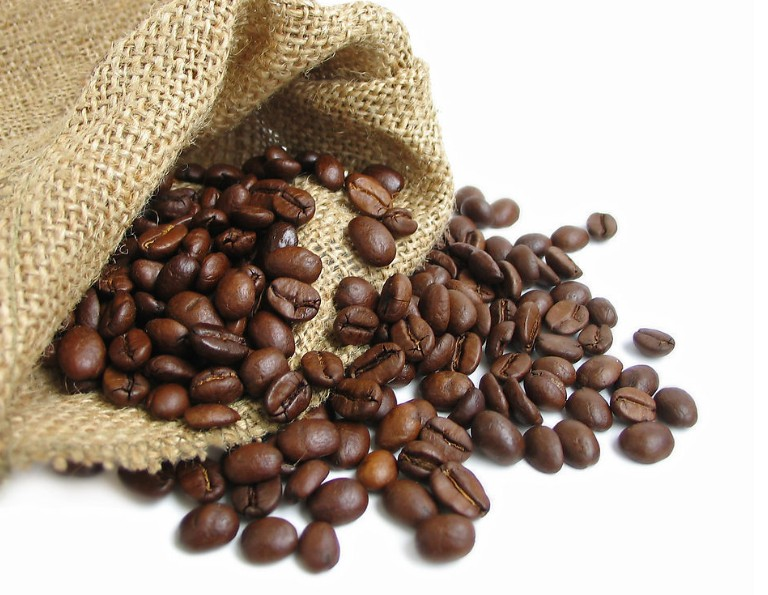
Natural fermentation, mellow and sun-dried Ethiopian coffee flavor, characteristics, taste and manor introduction
Ethiopia has unique natural conditions suitable for growing all imaginable varieties of coffee. As a upland crop, Ethiopian coffee beans are mainly grown in areas between 1100 and 2300 meters above sea level, roughly distributed in southern Ethiopia. Deep soil, well drained soil, weakly acidic soil, laterite and soil are soft and contain

Characteristics of natural fermented, mellow and insolated Ethiopian coffee varieties taste manor boutique coffee bean flavor
Ethiopia has unique natural conditions suitable for growing all imaginable varieties of coffee. As a upland crop, Ethiopian coffee beans are mainly grown in areas between 1100 and 2300 meters above sea level, roughly distributed in southern Ethiopia. Deep soil, well drained soil, weakly acidic soil, laterite and soil are soft and contain

"acidity", "quality" and "flavor" of Ethiopia's Bancimagi Coffee Manor
Ethiopia is the birthplace of the famous Arabica coffee beans, and people have always maintained the tradition of harvesting wild coffee beans. The coffee garden at an altitude of more than 1500 meters has formed a unique coffee style after thousands of years of evolution and adaptation. Ethiopian coffee grown in the natural wild environment is called wilderness coffee, which retains the most primitive and natural taste of coffee beans.

Ethiopian Yilu Gbagbo coffee is Ethiopian Yilu Gbagbo coffee good?
Professional coffee knowledge exchange more coffee bean information please follow the coffee workshop (Wechat official account cafe_style) Western Ethiopia, Illubabor cooperation: Dabi craft: dry (natural) craft variety: heirloom type altitude: 1700-2200 m score: 87 cup notes: berry fruit notes, bittersweet local cocoa, forest soil tone is the cooperation of Iraq

Bancimaji BenchMaji Ethiopian primeval forest boutique coffee treated by Yega Xuefei in the sun
Ethiopian coffee is highly rated in Taiwan, especially the three well-known producing areas of Ethiopia, namely Harrar, Sidamo and Yirgacheffe. Sidama lies to the south of Ethiopia, to the north is Arsi, and to the east extends to Bale.

The Development of Ethiopian Coffee beans in the course of Coffee Harald Coffee
Harar Harald, a name that reflects the rise and fall of Ethiopia. The Montenegro region of Harald is by far the only place in the world with wild coffee, which is auctioned in London every year. The secret of producing high-quality coffee is that coffee farmers have developed a coffee culture in a suitable environment through repeated learning of the coffee planting process for several generations.

The flavor and taste characteristics of Ethiopian coffee manor with balanced taste and flavor.
In December 1994, the Constitution of the Federal Democratic Republic of Ethiopia was formulated. According to the Constitution, Ethiopia will implement a federal system and a parliamentary cabinet system after the general election for a term of five years. After the national election in May 1995, the Federal Democratic Republic of Ethiopia was established on August 22, and Meles became prime minister in her capacity as chairman of the majority party of the people's House of Representatives. On May 14, 2000, Ethiopia held a national meeting

The difference, distinction and award-winning situation of single bean of Bankimaji coffee
For the exchange of professional baristas, please pay attention to the difference, distinction and award-winning situation of individual beans in coffee workshop (Wechat official account cafe_style). There are mainly eight major producing areas of Ethiopian coffee: Ekempti, Limu, Illubabor, Djimma, Harrar, Teppi/Bebeka, Sidamo and Yirgacheffe. Ethiopian coffee is highly rated in Taiwan.

Taste characteristics of fermented natural sun-cured Ethiopian coffee varieties introduction to the flavor of fine coffee beans in the manor
Ethiopia has unique natural conditions suitable for growing all imaginable varieties of coffee. As a upland crop, Ethiopian coffee beans are mainly grown in areas between 1100 and 2300 meters above sea level, roughly distributed in southern Ethiopia. Deep soil, well drained soil, weakly acidic soil, laterite and soil are soft and contain
The hometown of coffee in eastern Africa, Ethiopian boutique coffee beans.
Ethiopia Coffee producing area: the full name of the Federal Democratic Republic of Ethiopia (formerly known as Abyssinia) is a country located in northeast Africa. English name: The Federal Democratic Republic of Ethiopia, Ethiopia is the country of origin and hometown of coffee. The most famous coffee beans in Ethiopia are Yega Xuefei and Harald.

Ethiopia Coffee Coffee
Ethiopia's Yirgacheffe coffee is petite, but gentle and sweet. As the home of coffee, Ethiopia's millennia of growing and processing traditions have resulted in high-quality washed Arabica beans. Light baked with unique lemon, floral and honey sweet aromas, soft fruit acids and citrus notes, fresh and bright taste. not
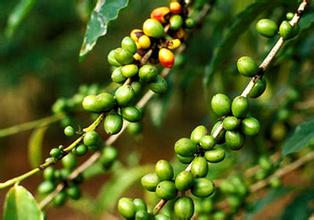
Introduction to the characteristic flavor of four forms of Ethiopian coffee beans grown and produced in Ethiopia coffee
Growth and production patterns: there are four growth production patterns in Ethiopia, and 95% of coffee is produced from these types or systems. 1. Forest grows in southern and southwestern Ethiopia, mostly wild or under natural forests. It provides natural shade for coffee trees, but the resistance is slightly weak. This production system accounts for about

Description of Bankimaji single-product Bean Flavor introduction to the manor of the planting and development history of the producing area
There are eight major coffee producing areas in Ethiopia: Ekempti, Limu, Illubabor, Djimma, Harrar, Teppi/Bebeka, Sidamo and Yirgacheffe. Ethiopian coffee is highly rated in Taiwan, especially for Ethiopian Harrar, Sidamo and Yirgacheffe.

Full-bodied fruit, rich flavor, aroma, Ethiopian coffee flavor, taste, estate characteristics
In February 1977, Lieutenant Colonel Mengistu Haile Mariam launched a military coup and served as Chairman of the Provisional Military Administrative Council and Head of State. In 1979, the Organization Committee of the Ethiopian Working People's Party, dominated by military personnel, was established to implement a one-party system. In 1984, the Ethiopian Workers 'Party was formed on the model of the Communist Party of the Soviet Union. Mengistu, September 1987

Variety characteristics of naturally fermented sun-cured Ethiopian coffee introduction to the flavor of fine coffee beans in the manor
Ethiopia has unique natural conditions suitable for growing all imaginable varieties of coffee. As a upland crop, Ethiopian coffee beans are mainly grown in areas between 1100 and 2300 meters above sea level, roughly distributed in southern Ethiopia. Deep soil, well drained soil, weakly acidic soil, laterite and soil are soft and contain

Taste characteristics of natural Ethiopian coffee fermented in the sun introduction to the flavor of fine coffee beans in the manor
Ethiopia has unique natural conditions suitable for growing all imaginable varieties of coffee. As a upland crop, Ethiopian coffee beans are mainly grown in areas between 1100 and 2300 meters above sea level, roughly distributed in southern Ethiopia. Deep soil, well drained soil, weakly acidic soil, laterite and soil are soft and contain

Ethiopian Coffee Features Ethiopian Coffee Flavor Boutique Coffee
Ethiopian coffee beans grow in a near-natural environment. After years of cultivation under the same growing conditions, Ethiopian coffee beans have gradually adapted to the environment here. More than 60% of coffee beans are forest or semi-forest grown coffee. Coffee farming villages produce about 35 percent of the country's coffee. Many of these are used.